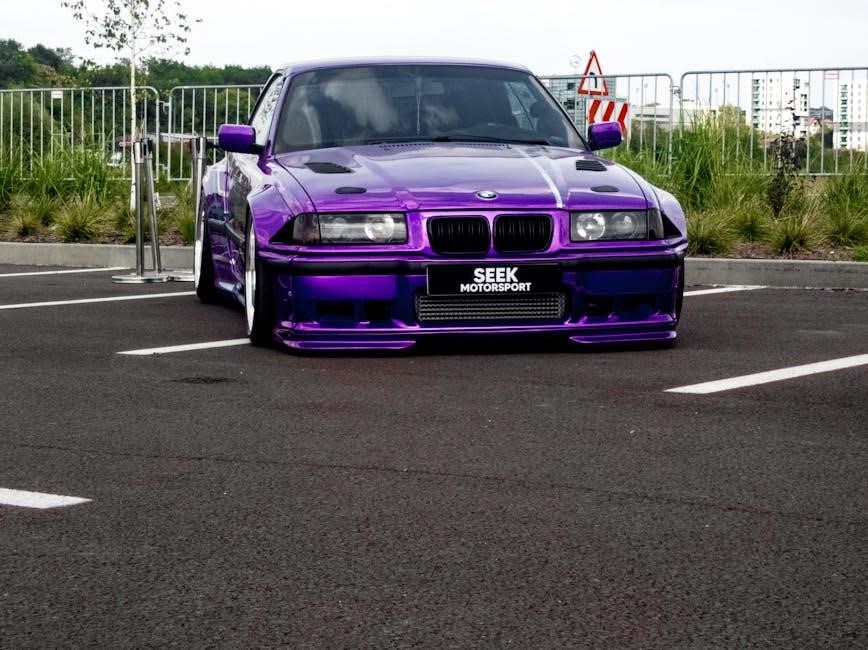
The BMW E36’s manual gearbox is renowned for its robust design and engaging driving experience, offering both Getrag and ZF options.
Common issues involve difficulty selecting gears, sticky shifters, and diminished shift quality, often linked to internal wear.
Overview of E36 Manual Transmission Options
The BMW E36 chassis offered a variety of manual transmission choices, primarily centering around the Getrag 250 and ZF options. The Getrag 250, frequently found in the 318i and early 325i models, is known for its durability and relatively straightforward design. Later 325i and 330i models often featured the ZF transmission, offering a slightly different feel and gear ratio selection.
Identifying the specific transmission within an E36 requires decoding the gearbox code, as BMW utilized multiple variations within these core models. These options catered to different engine outputs and driver preferences, impacting the overall driving dynamics of the vehicle.
Common E36 Manual Gearbox Models (Getrag 250, ZF)
The Getrag 250, a prevalent choice in earlier E36 models like the 318i, is a five-speed manual celebrated for its reliability and robust construction. It’s characterized by a direct feel and relatively simple internal layout. Conversely, the ZF S5D 320Z, often found in later 325i and 330i variants, is another five-speed option.
The ZF gearbox generally provides a smoother shift action and potentially different gear ratios. Both transmissions are known to develop age-related issues, with worn detent springs and bushings being common culprits affecting shift quality.
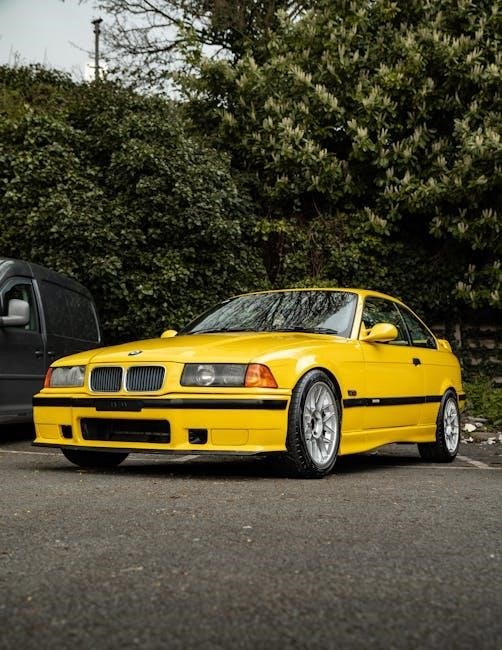
Identifying Your E36 Manual Gearbox
Accurate identification relies on decoding the gearbox code stamped on its casing or locating the identification plate, crucial for sourcing correct parts and repairs.
Decoding the Gearbox Code
The gearbox code, typically found stamped directly onto the transmission casing, is essential for pinpointing the exact model installed in your E36. This alphanumeric sequence provides vital information about the manufacturer – Getrag or ZF – and the specific variant. Understanding this code allows for accurate parts ordering, ensuring compatibility during repairs or upgrades.
For example, a “Getrag 250” code signifies a specific gearbox model. Deciphering these codes often requires referencing BMW parts catalogs or online resources dedicated to E36 specifications. Correctly identifying the gearbox is the first step towards successful maintenance and resolving any potential issues.
Locating the Gearbox Identification Plate
The gearbox identification plate is usually affixed to the transmission housing itself, offering a direct source for the crucial gearbox code. This plate isn’t always easily visible, often requiring a flashlight and potentially some maneuvering under the vehicle. Look for a metallic plate, typically rectangular, riveted or bolted onto the side of the gearbox casing.
Its precise location can vary slightly depending on the E36 model and gearbox type. Once located, carefully record the alphanumeric code stamped on the plate, as this is key to identifying the specific gearbox variant and sourcing the correct parts.

E36 Manual Gearbox Maintenance
Regular maintenance is crucial for longevity; this includes using the correct fluid type and adhering to recommended fluid change intervals to ensure optimal performance.
Recommended Fluid Types for E36 Manual Transmissions
Selecting the correct fluid is paramount for your E36’s manual gearbox health. BMW originally specified a specific weight mineral oil, but modern synthetic alternatives are widely used and often preferred.
Many owners successfully utilize GL-4 75W-90 gear oil from reputable brands, ensuring it meets BMW’s specifications.
Avoid GL-5 fluids, as they can corrode the brass synchronizers commonly found in these transmissions.
Checking your owner’s manual and consulting with BMW specialists will help determine the best fluid for your specific gearbox model and driving conditions;
E36 Manual Gearbox Fluid Change Procedure
Performing a fluid change requires basic tools and careful attention. Begin by warming the gearbox, then securely lift the vehicle. Locate the fill and drain plugs on the transmission casing.
Carefully drain the old fluid into a suitable container, then reinstall the drain plug with a new crush washer.
Using a pump, slowly fill the gearbox with the recommended fluid until it reaches the fill plug opening. Reinstall the fill plug, and verify no leaks exist. Finally, lower the vehicle and test drive.
Fluid Change Intervals for Optimal Performance
Maintaining optimal gearbox performance hinges on regular fluid changes. For typical street driving, a fluid change every 30,000 to 40,000 miles is generally recommended. However, aggressive driving, track use, or frequent towing necessitate shorter intervals – around 20,000 to 30,000 miles.
Always inspect the fluid’s condition; if it appears dark, metallic, or burnt, change it immediately. Consistent fluid maintenance prevents premature wear and ensures smooth shifting for years to come.

Common E36 Manual Gearbox Problems
Frequent E36 gearbox issues include difficulty selecting gears, sticky shifter mechanisms, and a noticeable decline in overall shift quality, often stemming from internal component wear.
Difficulty Selecting Gears
Experiencing trouble engaging specific gears within your E36’s manual transmission is a common complaint, often escalating with temperature changes. This issue frequently manifests as resistance when shifting into first or second gear, or struggling to find fifth. Worn detent springs, pins, and bushings are primary suspects, hindering precise gear engagement.
Low or degraded gearbox fluid can exacerbate the problem, reducing hydraulic pressure needed for smooth operation. Internal wear within the synchro rings also contributes, making gear selection imprecise and potentially leading to grinding noises. Thorough inspection and fluid replacement are crucial first steps.
Sticky Shifter Issues
A sticky or notchy shift feel in your E36’s manual transmission often indicates problems within the shift linkage or internal gearbox components. This can manifest as resistance when moving the shifter, or a sensation of it “catching” on certain gears. Worn or dry bushings within the shifter mechanism are frequent culprits, creating excessive friction.
Cable issues, as reported with automatic transmissions exhibiting similar symptoms, can also affect manual shifters. Internal gearbox wear, including worn detent pins and springs, contributes to the problem, requiring a more in-depth inspection and potential repair.
Decline in Shift Quality
A noticeable deterioration in the precision and smoothness of gear changes within your E36’s manual transmission signals underlying issues. This can present as imprecise engagement, grinding noises, or difficulty finding the desired gear. Often, this decline stems from wear within the synchronizer rings, crucial for matching gear speeds during shifts.
Worn detent springs, pins, and bushings, as highlighted by Turner Motorsport, also contribute to imprecise shifting. Addressing these components is vital to restore the E36’s characteristic crisp and engaging gearbox feel.

Specific Problem Areas & Solutions
Common E36 gearbox faults include worn detent springs, failing synchro rings, and clutch issues; solutions range from component replacement to full rebuilds for optimal performance.
Worn Detent Springs, Pins, and Bushings
The E36 manual gearbox frequently experiences issues with its detent system, comprised of springs, pins, and bushings. These components are crucial for positively locating each gear, ensuring smooth and accurate shifts. Over time, these parts wear, leading to vague engagement, difficulty selecting gears, and a generally imprecise feel.
Worn detent springs lose their tension, while pins and bushings develop play, contributing to the problem. Replacement of these relatively inexpensive parts is often a straightforward repair, significantly improving shifter feel and addressing common complaints. Inspecting and replacing these components is a vital step in any E36 gearbox maintenance or repair.
Synchro Ring Wear and Replacement
Synchro rings within the E36 manual gearbox are vital for matching the speeds of the gears during shifting, enabling smooth engagement. With use, these brass or carbon-fiber rings wear down, resulting in grinding noises when selecting gears, particularly 2nd and 3rd. This wear is accelerated by aggressive driving and infrequent fluid changes.
Replacing worn synchro rings requires a gearbox disassembly, demanding mechanical skill and specialized tools. It’s often performed alongside other internal repairs. Ignoring this issue leads to further damage to the gears themselves, escalating repair costs. Proper installation and lubrication are crucial for longevity.
Clutch Wear and Adjustment
The clutch is a critical link between the engine and the E36’s manual gearbox. Wear occurs naturally over time, manifesting as slippage, difficulty engaging gears, or a high pedal position. Regular inspection is vital, checking for discoloration, cracking, or excessive wear on the friction disc.
Proper clutch adjustment ensures optimal engagement and prevents premature wear. Incorrect adjustment can lead to incomplete disengagement, causing grinding during shifts. Replacement often involves the entire clutch assembly – disc, pressure plate, and throw-out bearing – for a comprehensive repair.
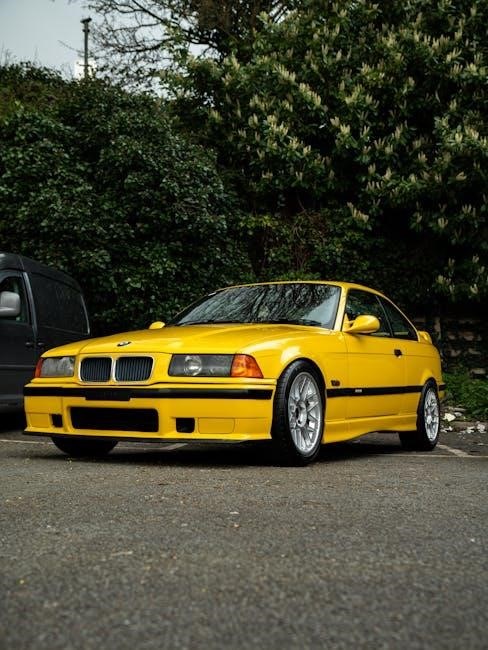
E36 Manual Gearbox Repair & Rebuild
Repairing or rebuilding an E36 manual gearbox requires specialized knowledge and tools; DIY attempts are possible, but professional rebuilds offer expertise and warranty protection.
DIY Repair Considerations
Embarking on a DIY E36 manual gearbox repair demands careful assessment of your mechanical skills and access to appropriate tools. Thorough documentation, including photos, is crucial during disassembly. Specialized tools, like gearbox jacks and pullers, are often necessary.
Consider the complexity; internal components require precise alignment and torque specifications. Sourcing a repair manual specific to your gearbox model is essential. Be prepared for potential challenges, such as stubborn bolts or damaged threads.
If unsure about any step, seeking professional guidance is advisable to avoid further damage or safety risks. Remember, a failed DIY attempt can escalate repair costs significantly.
Professional Rebuild Services
Opting for professional rebuild services ensures expertise and specialized equipment are applied to your E36’s manual gearbox. Reputable shops will thoroughly inspect all components, identifying wear and damage. They’ll replace worn synchros, bearings, seals, and detent components with quality parts.
A complete rebuild typically includes cleaning, reassembly, and testing to factory specifications. This guarantees optimal performance and longevity. Expect a detailed report outlining the work performed and parts replaced.
Choosing a shop with BMW-specific experience is highly recommended, as they understand the nuances of these transmissions.
Cost of E36 Manual Gearbox Rebuild
The cost of rebuilding an E36 manual gearbox varies significantly based on the extent of damage and the shop’s labor rates. A basic rebuild, addressing common wear items like synchros and seals, typically ranges from $800 to $1500.
More extensive damage, such as stripped gears or a damaged case, can increase the cost to $2000 or more. Parts alone can account for $300-$800, depending on the components needed. Professional labor usually constitutes the majority of the expense.
Obtaining quotes from multiple shops is crucial for comparison.

E36 Manual Gearbox Parts & Suppliers
Sourcing E36 manual gearbox parts involves exploring new and used options from vendors like Turner Motorsport and various BMW specialists. Reliable suppliers ensure quality and fitment.
Sourcing New and Used Parts
Finding E36 manual gearbox components requires a strategic approach, balancing cost and condition. New parts, while more expensive, offer guaranteed reliability and longevity. However, for certain components, especially those less prone to failure, used parts can be a viable and economical alternative.
Online marketplaces and dedicated BMW forums are excellent resources for locating used parts, often at significantly reduced prices. When purchasing used, carefully assess the seller’s reputation and request detailed photos to evaluate the part’s condition. Specialist BMW parts vendors, like Turner Motorsport, often stock both new and used components, providing a curated selection and expert advice.
Consider rebuilding kits for common wear items like synchro rings and seals, offering a cost-effective solution for restoring gearbox functionality. Always verify compatibility with your specific gearbox model before purchasing any parts.
Reliable E36 Parts Vendors
Sourcing quality E36 manual gearbox parts demands choosing reputable vendors. Turner Motorsport consistently receives high praise for its extensive BMW-specific inventory, including gearbox components and rebuild kits. Pelican Parts is another excellent resource, offering detailed DIY guides alongside a comprehensive parts catalog.
Bimmerparts specializes in BMW parts, providing both new and used options with a focus on customer service. Exploring BMW forums often reveals recommendations for smaller, specialized vendors with expertise in E36 transmissions. Ensure the vendor offers a clear return policy and provides accurate part descriptions to avoid compatibility issues.
Consider vendors with a strong online presence and positive customer reviews for a reliable purchasing experience.

Troubleshooting E36 Manual Gearbox Issues
Diagnosing problems requires careful observation; gear grinding suggests synchro wear, while shifter cable issues cause imprecise engagement. Internal damage can manifest as unusual noises or complete gear failure.
Diagnosing Gear Grinding
Gear grinding during shifts is a common symptom indicating worn synchronizer rings within the E36 manual gearbox. This typically occurs when attempting to engage a gear too quickly, or if the rings are simply worn from extended use. Begin by noting which gears exhibit the grinding – this narrows down the problematic synchro.
A thorough inspection of the gearbox fluid is crucial; metallic flakes suggest internal component wear. Carefully assess the shifter linkage for looseness, as imprecise engagement can exacerbate grinding. If the issue persists, a gearbox disassembly and inspection of the synchro rings are necessary to confirm the diagnosis and plan for replacement.
Addressing Shifter Cable Problems
Shifter cable issues in the E36 often manifest as imprecise shifts or difficulty moving the lever through the gates, particularly noticeable after the car warms up. Inspect the cable ends at both the shifter and gearbox for looseness or damage. A common fix involves adjusting the cable tension, ensuring proper engagement without excessive strain.
Lubricating the cable with a suitable grease can alleviate stiffness. If the cable is frayed or severely damaged, replacement is essential. Pay close attention to the cable routing, ensuring it isn’t binding or obstructed, as this can contribute to operational problems.
Identifying Potential Internal Damage
Internal damage within the E36 manual gearbox often presents as persistent gear grinding, especially during shifts, or a complete inability to engage certain gears. Metallic shavings in the drained fluid are a strong indicator of worn synchronizers or gears. Unusual noises, like whining or clunking, also suggest internal issues.
A thorough inspection requires gearbox disassembly. Look for chipped or broken teeth on gears, worn synchro rings, and damaged bearings. Ignoring these signs can lead to catastrophic failure, necessitating a complete rebuild or replacement.

E36 Manual Gearbox Upgrades
Enhance your E36’s shifting with short shifter kits for quicker throws, and upgraded synchro rings to improve reliability and precision during gear changes.
Short Shifter Kits
Short shifter kits dramatically reduce the throw between gears on the E36 manual gearbox, resulting in quicker, more precise shifts and a sportier driving feel. These kits typically replace the factory shift linkage components with shorter, stiffer alternatives.
Installation generally involves removing the center console and existing shifter mechanism, then installing the new kit following the manufacturer’s instructions. Benefits include faster gear changes, improved driver engagement, and a more direct connection to the drivetrain. Several brands offer E36-specific kits, varying in price and adjustability.
Consider the desired level of reduction in throw when selecting a kit, as more aggressive reductions may require acclimation.
Upgraded Synchro Rings
Upgraded synchro rings are a crucial component when rebuilding or addressing shift quality issues in the E36 manual gearbox. Factory synchros can wear over time, leading to grinding during gear changes, particularly when shifting quickly.
Aftermarket brass or carbon-lined synchro rings offer improved friction and durability, enhancing shift smoothness and reducing the likelihood of missed shifts. Replacing worn synchros is often necessary during a gearbox rebuild, alongside other worn internal parts.
Investing in upgraded rings can significantly improve the long-term reliability and performance of the transmission.

E36 Automatic Transmission Issues (Related Context)
While focusing on manuals, E36 automatics sometimes exhibit fail-safe modes or hard shifting, potentially due to low fluid or internal component failures.
Automatic Transmission Fail Safe Problems
Although this discussion centers on manual transmissions, understanding automatic issues provides context. E36 automatics can enter a “fail-safe” mode, limiting gear selection, often indicated by a warning light. This typically arises from detected transmission problems or related engine component malfunctions. Diagnostic testing, specifically reading fault codes, is crucial for pinpointing the root cause.
Potential culprits include low transmission fluid levels, failing solenoids, or even issues with the engine’s sensors impacting transmission control. Addressing these promptly prevents further damage and restores full functionality. It’s important to note that these issues are distinct from manual gearbox concerns.
Automatic Transmission Fluid Level and Condition
While focusing on manual gearboxes, maintaining proper automatic transmission fluid levels is vital for its operation. Low fluid can trigger fail-safe modes, causing shifting difficulties, as observed in some E36 models. Regularly checking the fluid level, using the correct procedure outlined in the owner’s manual, is essential.
The fluid’s condition is equally important; dark or burnt-smelling fluid indicates potential internal wear or overheating. Prompt fluid changes, using the BMW-specified fluid, prevent further damage and ensure smooth shifting. This preventative maintenance is separate from manual transmission upkeep.