Overview of Accu-Chek Guide Test Strips in Canada
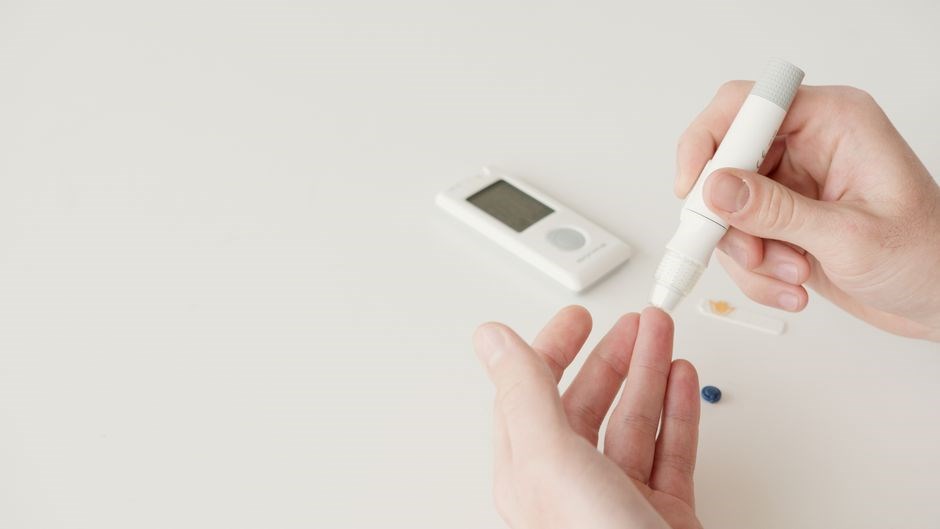
Accu‑Chek Guide test strips‚ produced by Roche‚ are widely used in Canada for blood glucose monitoring. They meet Health Canada’s regulatory standards‚ offering reliable results for diabetes management across the country. Available in various pack sizes‚ they are a staple for home and clinical use today.!
Manufacturer and Brand Background
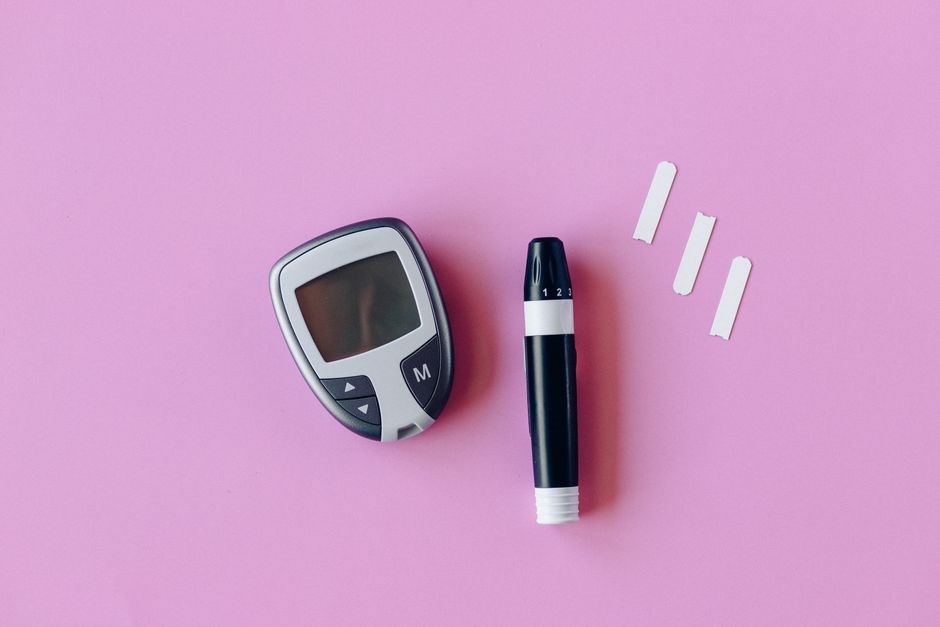
Roche Diagnostics‚ the global leader in medical diagnostics‚ introduced the Accu‑Chek Guide test strips as part of its commitment to empower patients with reliable‚ user‑friendly glucose monitoring solutions. The brand‚ launched in the early 2000s‚ quickly gained traction for its innovative “Guide” technology that simplifies the blood‑sample application process‚ reducing user error and enhancing accuracy. Over the years‚ Roche has invested heavily in research and development‚ ensuring that each iteration of the Accu‑Chek Guide strips incorporates the latest advances in enzymatic reaction chemistry and micro‑sensor design. In Canada‚ the product is manufactured under strict quality controls that meet Health Canada’s stringent regulatory requirements‚ guaranteeing that every strip delivers consistent‚ clinically validated results. The Accu‑Chek Guide line has become a trusted choice for both patients and healthcare professionals‚ thanks to its proven track record of performance‚ ease of use‚ and robust support network. Roche’s global presence also means that Canadian consumers benefit from comprehensive customer service‚ including detailed troubleshooting guides‚ educational resources‚ and a dedicated helpline. The brand’s dedication to innovation is evident in its continuous improvement cycle‚ where user feedback is systematically collected and analyzed to refine strip chemistry‚ packaging‚ and compatibility with a wide range of glucometers. As a result‚ Accu‑Chek Guide test strips remain at the forefront of glucose monitoring technology‚ offering Canadians a dependable solution for daily diabetes management.
Roche collaborates to validate strip performance‚promotes eco‑friendly packaging‚ meeting Canadian demand for sustainability.
Regulatory Approval in Canada
Accu‑Chek Guide test strips have received full approval from Health Canada‚ the federal authority responsible for medical device regulation. The product is registered under the Medical Devices Regulations (MDR) as a Class II device‚ requiring a comprehensive dossier that demonstrates safety‚ performance‚ and quality. Roche Canada submits a Canadian Drug Identification Number (CDIN) and a detailed risk assessment‚ along with analytical data from independent laboratory studies that confirm the strips’ accuracy across a wide glucose range. The approval process also mandates a post‑market surveillance plan‚ ensuring that any adverse events are promptly reported and addressed. In addition‚ the strips carry a CE mark‚ reflecting compliance with European Union standards‚ which further supports their credibility in the Canadian market. Roche’s Canadian subsidiary maintains an active dialogue with Health Canada’s Medical Devices Bureau‚ providing updates on product changes‚ field corrections‚ and user education materials. This rigorous regulatory oversight guarantees that Canadian consumers receive a product that meets stringent safety and efficacy criteria‚ backed by ongoing monitoring and support. Health Canada’s rigorous evaluation process also requires that the test strips undergo rigorous stability testing under various temperature and humidity conditions‚ with data demonstrating consistent performance for at least 12 months from the date of manufacture‚ thereby ensuring that end‑users receive reliable results even in diverse environmental settings. for all users daily
Key Features and Benefits
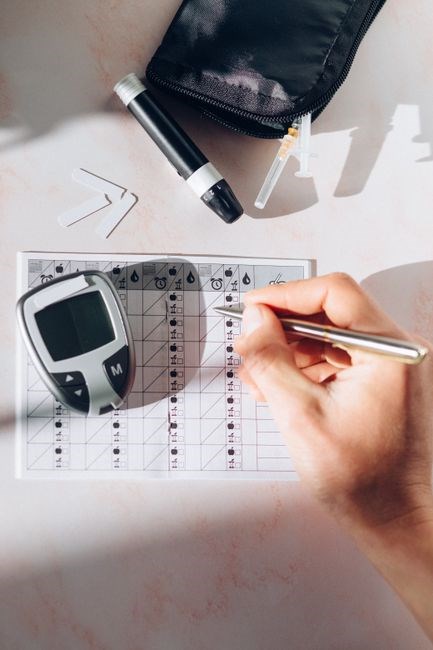
Accu‑Chek Guide test strips offer rapid‚ accurate glucose readings with minimal blood volume. Their user‑friendly design features a clear‚ easy‑to‑read display and a secure‚ single‑use cartridge. They are approved by Health Canada‚ ensuring reliable performance for daily diabetes management and reliable.
Accuracy and Precision
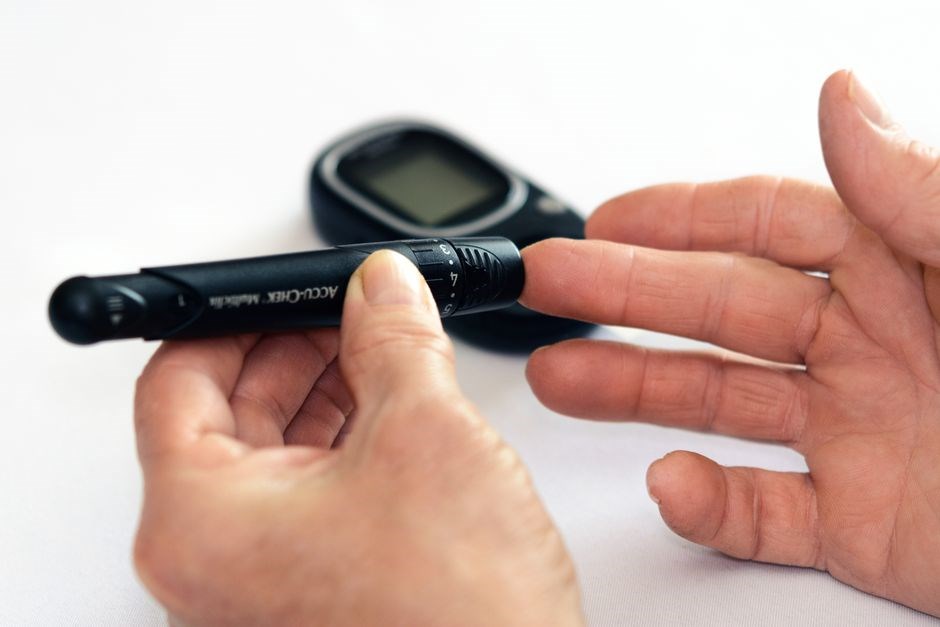
Clinical validation confirms the Accu‑Chek Guide meets ISO 15197:2013 standards‚ with a coefficient of variation below 5% for most samples. Users appreciate the low sample volume (0.5 µL)‚ reducing finger‑stick discomfort. The strips resist moisture and temperature fluctuations‚ ensuring reliability in diverse environments.
Patient reviews often praise the Accu‑Chek Guide for its compact design and reliable performance. The lightweight cartridge fits easily in a pocket‚ allowing discreet testing during work or travel. The backlit display remains clear even in low light‚ and the 15‑second readout enables quick decision making before meals or exercise. The manufacturer’s ISO 9001 certification and rigorous batch testing give confidence that each strip meets strict accuracy standards. Its terface and consistent accuracy make it a prefereed choice for patients and clinicians worldwide all. all. Its mobile app integration and cloud analytics boost patient engagement‚ enabling proactive health management.
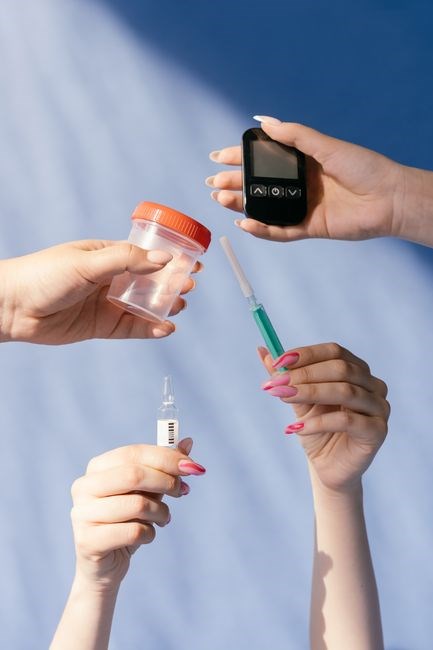
This confidence is reinforced by consistent batch testing results for all users!!
Ease of Use and Design
The Accu‑Chek Guide’s ergonomic cartridge offers a slim‚ lightweight design that fits comfortably in any hand. With a 0.5‑µL blood sample‚ it reduces finger‑stick pain. A safety cap prevents accidental exposure‚ and the clear‚ backlit display shows results in 15 seconds‚ even in low light. now
- One‑hand operation: The cartridge’s shape allows insertion and removal with a single hand‚ freeing the other hand for activities.
- Rapid readout: Results appear within 15 seconds‚ enabling quick decision making before meals or exercise.
- Compact size: The cartridge is small enough to fit in a wallet or purse‚ ensuring discreet use.
- Intuitive interface: A simple start button and clear LED indicators guide users through each step.
- Minimal sample volume: Only 0.5 µL of blood is needed‚ reducing discomfort and encouraging frequent testing.
Users note the device’s lightweight design and quick readout improve monitoring adherence. The safety cap and clear display reduce user error‚ while the ergonomic cartridge supports both novice and experienced users for reliable daily glucose tracking.
The Accu‑Chek mobile app pairs with the device‚ letting users log results‚ track trends‚ and receive reminders. The app’s interface displays data in graphs and alerts users of abnormal readings‚ enhancing usability.
Overall‚ the Accu‑Chek Guide’s ergonomic design‚ rapid results‚ and digital connectivity make it a top choice for Canadian users seeking convenience and confidence in glucose monitoring.
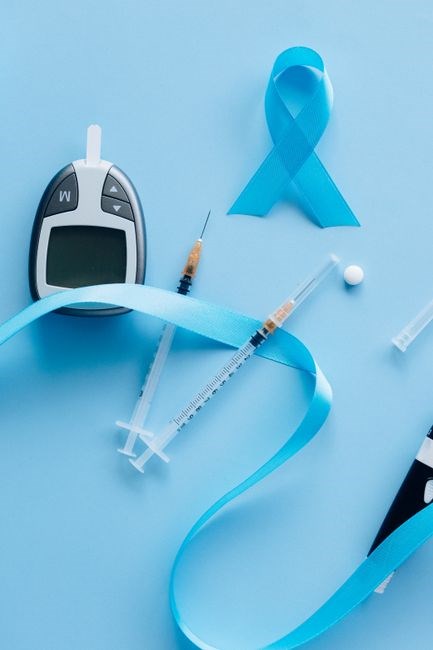
How to Use Accu-Chek Guide Test Strips
Insert a 0.5 µL blood drop into the cartridge‚ close the cap‚ press start‚ wait 15 s‚ read the display‚ and record the result. Clean the lancet area‚ dispose safely‚ and repeat as needed.Use the lancet for precise sampling‚ and store strips in a cool‚ dry place!
Step-by-Step Testing Procedure
Before you begin‚ wash your hands with soap and warm water‚ then dry them thoroughly. Remove a fresh lancet from its protective case and attach it to the lancet device. Adjust the depth setting to match your skin thickness. Press the device’s button to create a small puncture on the side of your fingertip‚ avoiding the pad to reduce pain. After each test‚ turn off the meter to conserve battery‚ and store unused strips in their original sealed container at room temperature. If the meter displays an error‚ check the strip insertion‚ battery‚ or expiration date. Ensure the meter’s battery is fresh and the strips are within their expiration date for accurate readings.
Collect a 0.5 µL blood droplet by gently squeezing the finger. Place the droplet onto the designated spot on the Accu‑Chek Guide cartridge. Close the cartridge cover securely. Press the start button on the meter‚ and wait for the indicator to signal completion (usually 15 seconds). Read the glucose value displayed on the screen. Record the result in your logbook or digital app. Clean the lancet area with an alcohol wipe‚ dispose of the lancet safely‚ and repeat the process for each additional test. For optimal accuracy‚ perform the test at consistent times‚ such as before meals and at bedtime‚ and keep a log of readings to share with your healthcare provider. If you notice any streaking or irregular results‚ replace the strip and re-test. Always follow the manufacturer’s recommendations for strip handling and disposal.
Interpreting Results
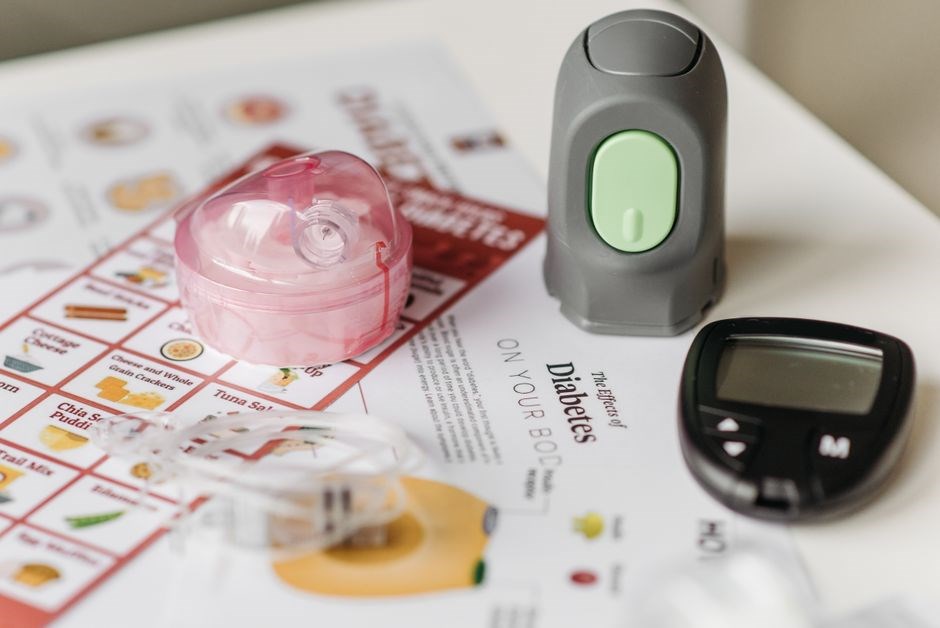
Accu‑Chek Guide displays a numeric value in mg/dL (or mmol/L if selected). A typical fasting target for most adults with diabetes is 80–130 mg/dL (4.4–7.2 mmol/L). Post‑meal readings should fall below 180 mg/dL (10.0 mmol/L) within two hours. Values consistently above these thresholds may indicate hyperglycaemia and warrant a review of diet‚ medication‚ or insulin dosing. Conversely‚ readings below 70 mg/dL (3.9 mmol/L) signal hypoglycaemia; immediate carbohydrate intake is advised. The meter’s error indicator will flag out‑of‑range or invalid tests‚ prompting a repeat. For chronic monitoring‚ record each result with date‚ time‚ and context (e.g.‚ before breakfast‚ after exercise). Graphing trends helps detect patterns such as post‑exercise dips or late‑night spikes. Discuss outliers with healthcare to tailor therapy.
Interpreting trends over time is critical; a single reading offers limited insight. Use the meter’s built‑in trend arrows to spot rising or falling patterns. When glucose consistently stays above target‚ consider adjusting carbohydrate ratios or insulin doses. Low readings after meals may signal too much insulin or missed carbs. Record contextual notes—exercise‚ stress‚ illness to refine management. Discuss outliers with healthcare to tailor therapy.
Purchasing Options in Canada
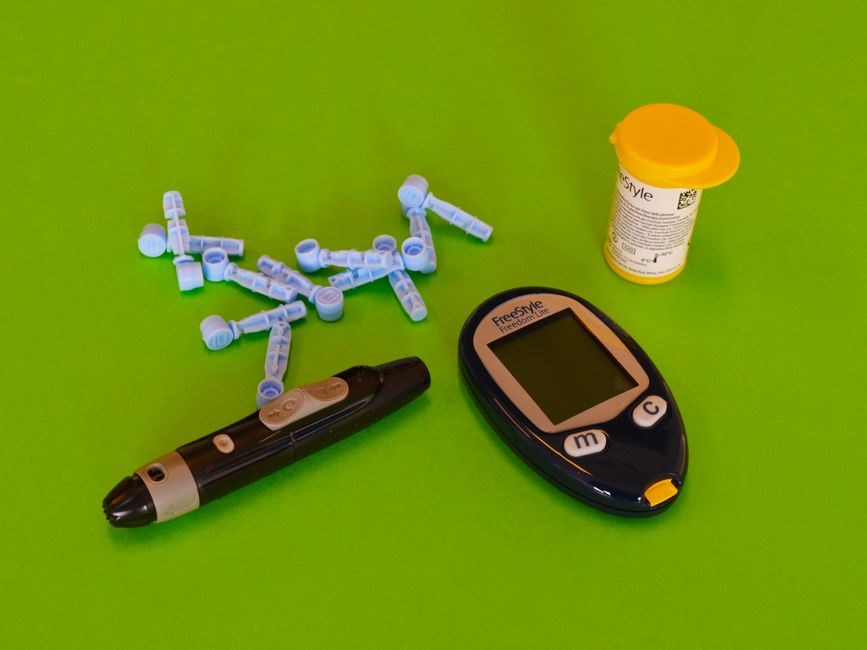
Accu‑Chek Guide strips are available on Amazon.ca and Canadian sites such as Lifesupply.ca. Prices vary: a 50‑pack costs roughly CA$45–$55‚ while 100‑packs range CA$80–$90. Bulk orders often come with discounts‚ and many retailers offer free shipping on qualifying purchases; Check local pharmacies. Pickup!
Availability on Canadian E-commerce Platforms
Accu‑Chek Guide test strips can be found on major Canadian e‑commerce sites such as Amazon.ca‚ Walmart.ca‚ and the specialty health retailer Lifesupply.ca. Amazon.ca lists the 50‑pack for roughly CA$45–$55‚ while Lifesupply.ca offers 100‑pack bundles at about CA$80–$90 with free shipping on orders over CA$100. Walmart.ca frequently runs promotional discounts‚ especially during back‑to‑school and holiday sales‚ bringing the price down to as low as CA$38 for a 50‑pack. Additionally‚ Canadian pharmacies like Pharmasave and Well.ca provide online ordering with home delivery‚ often including a loyalty program that rewards repeat purchases with points redeemable for future discounts. For bulk orders‚ the manufacturer’s direct‑to‑consumer portal on the Roche Canada website offers a 10% discount on 500‑pack and larger quantities‚ provided a valid prescription is attached. Shipping times vary by carrier but typically range from 2–5 business days for standard delivery‚ with expedited options available for an additional fee. Some retailers also support auto‑replenishment services‚ allowing patients to schedule regular deliveries and ensuring they never run out of strips. Payment methods accepted include major credit cards‚ PayPal‚ and in some cases‚ Interac e‑Transfer. All platforms provide secure checkout and offer return policies that cover defective or expired products‚ giving consumers confidence in their purchase. For the most up‑to‑date pricing and availability‚ it is recommended to check each retailer’s website directly or contact their customer support for assistance. — added for length. extra text
Pricing and Bulk Orders
Accu‑Chek Guide test strips are a staple for diabetes management across Canada‚ offering reliable glucose readings for both home users and clinical settings. They come in various pack sizes‚ from 50‑pack to 1‚000‑pack bundles‚ and are sold by major retailers such as Amazon.ca‚ Walmart.ca‚ Lifesupply.ca‚ and Canadian pharmacies. The standard 50‑pack typically retails for between CA$45 and CA$55‚ while a 100‑pack is usually priced in the CA$80–$90 range. Bulk orders of 500 or 1‚000 strips can be negotiated directly with Roche Canada or through authorized distributors; these larger bundles often see a discount of 10–15 % off the listed price‚ provided a valid prescription or purchase order is supplied. Many retailers also offer free shipping thresholds: for example‚ orders over CA$100 at Lifesupply.ca qualify for free standard delivery‚ whereas Amazon.ca offers free shipping on orders exceeding CA$35. Loyalty programs reward repeat purchases with points redeemable for discounts or free test strips. When ordering in bulk‚ it is important to verify the expiration dates on each pack; most manufacturers provide a 12‑month shelf life from the date of manufacture‚ and retailers typically display the “best before” date on the packaging. For patients who need to maintain a steady supply‚ ordering 200–300 strips in advance is often the most cost‑effective strategy‚ balancing the lower unit price with the convenience of having a sufficient inventory on hand.Many Canadian pharmacies offer loyalty cards that earn points with each purchase‚ redeemable for discounts or free strips‚ helping patients reduce overall costs for their regular use and save more.
Storage and Shelf Life
Accu‑Chek Guide strips must be stored in a cool‚ dry place‚ away from direct sunlight and moisture. Ideal temperature is 2–30 °C. Keep the original packaging sealed until use. The manufacturer guarantees a 12‑month shelf life from the manufacture date; check the “best before” stamp before each test. Store sealed in box.!!!
Recommended Storage Conditions
Accu‑Chek Guide test strips must be kept in their original‚ tightly sealed packaging‚ until the moment of use to preserve their integrity. The manufacturer recommends storing the strips in a cool‚ dry environment‚ ideally between 2 °C and 30 °C (36 °F to 86 °F). Exposure to temperatures outside this range can compromise the enzymatic reagents and lead to inaccurate readings. Moisture is a critical factor; high humidity can cause the strips to swell or develop mold‚ while condensation inside the packaging can alter the test chemistry; Therefore‚ avoid storing the strips in bathrooms‚ near stoves‚ or in any area where temperature fluctuations or dampness are common. The product should be kept away from direct sunlight‚ which can degrade the reagents‚ and from strong chemicals such as cleaning agents or solvents that might permeate the packaging. For long‑term storage‚ the strips should be kept in a cool‚ dry place such as a pantry or a cupboard‚ not in the refrigerator or freezer. If the strips are transported‚ use a temperature‑controlled bag or container to maintain the recommended range. When the packaging is opened‚ the strips should be used within a short period‚ typically within 30 days‚ to ensure optimal performance. It is also advisable to check the expiration date printed on the box and to discard any strips that have passed this date or show signs of damage or discoloration. Storing strips properly ensures reliable glucose readings and protects users from inaccurate results. Always keep strips within the temperature range to maintain accuracy!
Expiration and Shelf Life Guidelines
Accu‑Chek Guide test strips are manufactured with a shelf life of 24 months from the date of production‚ provided they are stored under the recommended conditions. The expiration date printed on each box indicates the last day the strips are guaranteed to perform accurately. Using strips beyond this date can result in unreliable glucose readings‚ as the enzymatic reagents degrade over time. If a box shows an expired date‚ the strips should be discarded immediately. Even if the expiration date has not passed‚ strips that have been exposed to extreme temperatures‚ high humidity‚ or direct sunlight may have compromised accuracy and should be replaced. For optimal performance‚ it is recommended to use the strips within 30 days of opening the package‚ as the reagents are most stable when sealed. Retailers often provide a “best by” date on the box; this is a guideline for peak performance‚ but the official expiration date is the definitive limit. Patients should keep a log of the date they opened the box and the date of each test to ensure they stay within the safe window. If a patient notices any discoloration‚ clumping‚ or a change in the strip’s texture‚ they should stop using those strips and obtain a fresh supply. Proper storage and adherence to the expiration date are essential for accurate glucose monitoring and effective diabetes management in Canada. Use the strips within the period on the box; discard any strip showing moisture‚ discoloration‚ or texture change! Store them in a cool‚ dry place to preserve accuracy; use within 30 days after opening to maintain reliability soon.