
The Kama Sutra: A Comprehensive Overview
The Kama Sutra, originating around 400 BC in India, is a comprehensive guide extending beyond sexual positions. It delves into love, relationships, and a fulfilling life, originally intended for educated, affluent young men.
Historical Origins and Authorship
The origins of the Kama Sutra are deeply rooted in ancient India, with estimations placing its initial conception around the 4th century CE, though some scholars suggest roots extending back to 400 BC. The text wasn’t simply a spontaneous creation; it likely built upon existing traditions and knowledge concerning love, relationships, and societal expectations.
Central to understanding its authorship is the figure of Vatsyayana, a religious student and philosopher believed to have penned the work during the Gupta Golden Age (approximately 320 to 550 AD). However, the precise details of Vatsyayana’s life remain shrouded in mystery, with limited biographical information available. The Kama Sutra wasn’t necessarily authored in isolation; it’s plausible that Vatsyayana compiled and systematized pre-existing ideas and practices prevalent in his time. The text’s composition in Sanskrit, the literary language of ancient India, further underscores its intellectual and cultural context.
Dating the Text: 400 BC to the Gupta Period
Pinpointing the exact date of the Kama Sutra’s composition remains a challenge for scholars. While definitive proof is elusive, the consensus places its origins somewhere between 400 BC and the Gupta period (roughly 320 to 550 AD). Some evidence suggests earlier traditions concerning kama (desire, pleasure) existed, potentially influencing the text’s development over centuries.
The Gupta period is considered a particularly significant timeframe, representing a golden age of Indian culture and intellectual flourishing. This era fostered advancements in arts, sciences, and literature, providing a fertile ground for a work like the Kama Sutra to emerge. However, the second half of the 3rd century CE is often cited as a probable period of composition. Determining a precise date is complicated by the text’s evolution and potential revisions over time, making it a product of a long and complex historical process.
Vatsyayana: The Presumed Author
Vatsyayana is widely regarded as the author of the Kama Sutra, though concrete biographical details about him remain scarce. He is believed to have been a religious student and philosopher active in ancient India, likely during the Gupta period (320-550 AD). His motivations for composing the Kama Sutra weren’t solely focused on sexual instruction.
Instead, Vatsyayana aimed to create a comprehensive guide to the “art of living,” encompassing social graces, courtship, marital duties, and the pursuit of pleasure. He presented himself as a compiler and systematizer of existing knowledge, acknowledging earlier authorities on the subject of kama. The text suggests Vatsyayana was a learned individual with a deep understanding of Hindu philosophy, social customs, and human psychology. While his personal life remains largely unknown, his work continues to shape perceptions of love and sexuality.
The Language and Composition of the Kama Sutra
The Kama Sutra was originally composed in Sanskrit, the refined and sacred literary language of ancient India. This choice of language underscores the text’s intellectual and cultural significance, distinguishing it from more vernacular works. Sanskrit’s precision and nuance allowed for a detailed exploration of complex concepts related to love, desire, and social conduct.
Scholars suggest the text likely originated in northern India, potentially in Pataliputra (modern-day Patna, Bihar). The composition isn’t a monolithic work but rather a compilation of existing traditions and observations, skillfully organized by Vatsyayana. The structure is methodical, employing prose and verse to convey its teachings. The use of Sanskrit ensured the Kama Sutra was accessible to a literate elite, reflecting its intended audience and purpose as a guide for sophisticated living.
Sanskrit as the Literary Language
Sanskrit held a prestigious position as the language of scholarship, religion, and literature in ancient India. Its selection for the Kama Sutra wasn’t accidental; it signified a deliberate attempt to elevate the discussion of kama (desire) beyond the purely physical. Sanskrit’s grammatical structure and extensive vocabulary allowed for nuanced expression, crucial when addressing complex social and emotional dynamics.
Employing Sanskrit also connected the Kama Sutra to a rich intellectual tradition, associating it with the Vedas, Upanishads, and other foundational texts of Hinduism. This linguistic choice lent the work authority and legitimacy. The language’s inherent poetic qualities facilitated the inclusion of verses and illustrative stories, enhancing the text’s aesthetic appeal and memorability. It was a language understood by the educated classes, ensuring the Kama Sutra reached its intended audience.
Northern India and Pataliputra as Potential Locations
While the precise geographical origin of the Kama Sutra remains debated, scholarly consensus points towards Northern India as the most likely region of composition. Specifically, Pataliputra – modern-day Patna in Bihar state – emerges as a strong contender. This ancient city served as a major political and cultural hub during the period the text is believed to have been written, roughly the second half of the 3rd century CE.
Pataliputra’s prominence as a center of learning and its cosmopolitan atmosphere would have provided a fertile ground for the development of such a sophisticated work. The city’s thriving courtly life and patronage of the arts likely influenced the Kama Sutra’s focus on the lifestyle of the elite. However, definitive proof remains elusive, and other locations within Northern India cannot be entirely ruled out, leaving the exact place of origin somewhat shrouded in mystery.
Beyond Sex Positions: The Broader Scope of the Kama Sutra
The Kama Sutra is frequently, and often mistakenly, reduced to merely a manual of sexual positions. However, this perception drastically underestimates its comprehensive nature. The text is, in reality, a detailed guide to the ‘art of living’ – a philosophical exploration of human desire, love, and a fulfilling life. It encompasses a wide range of topics extending far beyond the physical realm of intimacy.
Vatsyayana’s work provides instruction on diverse subjects, including courtship, marriage, household management, social etiquette, and even the acquisition of wealth. It delves into the roles and responsibilities within relationships, offering advice on how spouses should interact and maintain harmony. The Kama Sutra is, therefore, a holistic treatise on navigating the complexities of life and achieving overall well-being, with sexuality being just one component of a much larger framework.
The ‘Art of Living’: Guidance for Young, Wealthy Men

The Kama Sutra wasn’t intended as a universal guide for all of society. Historical context reveals it was primarily written to instruct young, affluent men on how to lead a refined and fulfilling life. This included mastering social graces, cultivating artistic talents, and understanding the nuances of romantic relationships. It served as a practical handbook for navigating the privileges and responsibilities associated with their social standing.
The text details not only romantic pursuits but also practical skills like building a home and managing finances. It offered guidance on selecting a suitable wife, ensuring compatibility, and maintaining a harmonious household. Essentially, the Kama Sutra aimed to equip these men with the knowledge and skills necessary to excel in all aspects of life – social, domestic, and romantic – thereby embodying the ideal of a well-rounded and successful individual.
Kama as One of the Four Aims of Life
Within the framework of Hindu philosophy, kama – desire, pleasure, and enjoyment – is recognized as one of the four fundamental aims of human life. These aims, known as purusharthas, are dharma (righteousness), artha (prosperity), kama (desire), and moksha (liberation). The Kama Sutra doesn’t elevate kama above the others, but rather places it within a balanced and holistic approach to existence.
It acknowledges the importance of sensual pleasure and romantic love as legitimate and valuable aspects of the human experience. However, it emphasizes that kama should be pursued ethically and responsibly, in accordance with dharma and artha. Ultimately, the pursuit of kama is seen as a stepping stone towards moksha, the ultimate goal of spiritual liberation. The text, therefore, isn’t simply about sexual gratification, but about integrating desire into a meaningful and virtuous life.
Dharma, Artha, Kama, and Moksha
The ancient Indian worldview centers around four primary goals, or purusharthas, guiding a fulfilling life: Dharma (righteous conduct, moral law), Artha (material prosperity, wealth), Kama (sensual pleasure, desire), and Moksha (spiritual liberation). These aren’t hierarchical, but interconnected, representing a balanced path to human flourishing.
Dharma provides the ethical foundation, Artha the means for a comfortable existence, and Kama acknowledges the natural human inclination towards enjoyment. However, these are not ends in themselves. The ultimate aim is Moksha – release from the cycle of rebirth and attainment of enlightenment.
The Kama Sutra operates within this framework, viewing Kama not as a separate pursuit, but as an integral part of a well-lived life, to be enjoyed responsibly and ethically, guided by Dharma and supported by Artha, ultimately contributing to the journey towards Moksha.

The Structure of the Kama Sutra
The Kama Sutra isn’t simply a manual of sexual positions; it’s a meticulously organized treatise divided into seven books, though commonly discussed in terms of three main sections. The first book, “Concerning Excellence,” focuses on a gentleman’s overall lifestyle – encompassing arts, social graces, and acquiring knowledge. It establishes the ideal cultivated man for whom the subsequent sections are relevant.
The second book details “Concerning Sexual Union,” and explores the art of courtship, finding a partner, and the intricacies of lovemaking. The third, and final major section, addresses “Concerning Maintaining a Wife,” covering marital duties, resolving conflicts, and sustaining a harmonious relationship.
The remaining books delve into specific aspects like the arts of seduction, the attributes of women, and various types of unions, providing a holistic view of love and relationships within the societal context of its time.
The Three Books: Concerning Excellence, Acquiring a Wife, and Maintaining a Wife
The Kama Sutra’s core teachings are structured around three primary books, each addressing distinct facets of a fulfilling life. “Concerning Excellence” lays the groundwork, detailing the accomplishments and virtues expected of a well-rounded, sophisticated man – encompassing knowledge of the arts, social etiquette, and practical skills. This section establishes the ideal individual for whom the subsequent guidance is intended.
The second book, “Concerning Acquiring a Wife,” navigates the complexities of courtship, marriage proposals, and selecting a suitable partner. It outlines strategies for winning a woman’s affection and establishing a strong foundation for a lasting union.
Finally, “Concerning Maintaining a Wife” focuses on the duties and responsibilities within marriage, emphasizing mutual respect, conflict resolution, and the cultivation of a harmonious and passionate relationship. These three books collectively offer a comprehensive guide to love, partnership, and a well-lived life.

Detailed Exploration of Sexual Positions
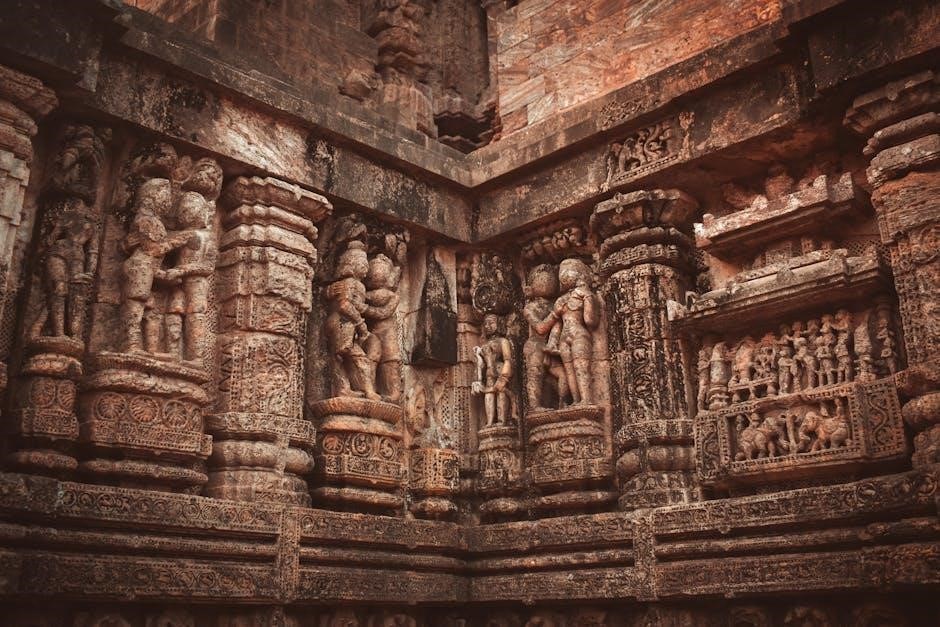
While often sensationalized, the detailed descriptions of sexual positions within the Kama Sutra represent only a portion of its extensive teachings. These positions aren’t merely about physical acts; they are presented within a broader context of enhancing intimacy, prolonging pleasure, and fostering a deeper connection between partners; The text meticulously categorizes and describes various techniques, considering factors like body type, emotional state, and desired outcomes.
The Kama Sutra emphasizes the importance of variety and experimentation, advocating for a playful and adventurous approach to sexual expression. It details not just the mechanics of each position, but also the accompanying foreplay, verbal communication, and emotional nuances that contribute to a satisfying experience.
Importantly, these descriptions are interwoven with discussions on etiquette and respect, highlighting the need for mutual consent and consideration.
The Importance of Foreplay and Erotic Techniques
The Kama Sutra places significant emphasis on kama, encompassing desire and sensual fulfillment, extending far beyond the act of intercourse itself. Foreplay is not viewed as a prelude, but as an integral and essential component of a complete erotic experience. The text details a wide array of techniques designed to arouse and prepare both partners, focusing on all senses – touch, sight, sound, smell, and taste.
These techniques include massage, kissing, affectionate speech, the use of perfumes and flowers, and artistic displays of love. The Kama Sutra advocates for a gradual escalation of intimacy, building anticipation and maximizing pleasure. It stresses the importance of understanding one’s partner’s desires and responding to their cues.
Furthermore, the text explores the art of erotic conversation and the power of suggestion, recognizing the role of the mind in enhancing physical sensations.
Social and Cultural Context of the Kama Sutra
The Kama Sutra emerged within a complex social structure in ancient India, acknowledging distinct roles and expectations. It reflects a society where courtesans (ganikas) held a respected, educated position, skilled in the arts of love and conversation, and serving as companions to wealthy men. The text doesn’t shy away from discussing their role, offering guidance on interactions with them.
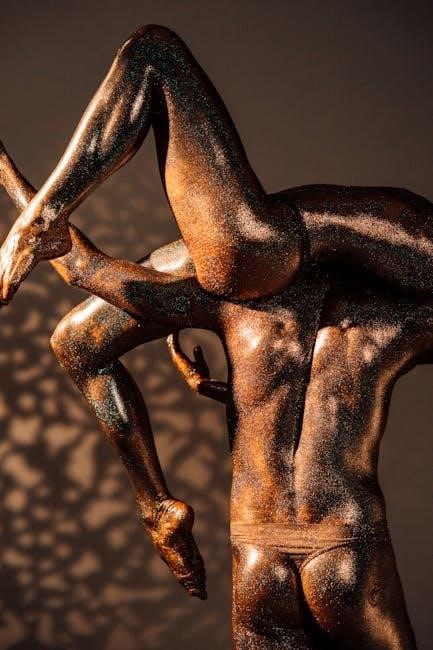
However, the Kama Sutra primarily addresses the lives of upper-class citizens, providing advice on courtship, marriage, and maintaining harmonious relationships within that social stratum. It acknowledges varying social classes and their differing customs, though its primary focus remains on the elite.
Understanding this context is crucial; the Kama Sutra wasn’t a universal guide, but rather a manual tailored to a specific segment of society, reflecting their values and lifestyle.
The Role of Courtesans and Social Classes
The Kama Sutra acknowledges a nuanced social landscape, prominently featuring the role of ganikas – highly trained courtesans. These women weren’t simply prostitutes; they were educated in the arts, music, and conversation, offering companionship and intellectual stimulation to men of status. The text provides detailed guidance on interacting with them, emphasizing respect and etiquette.
However, the Kama Sutra’s primary audience was the upper-class male, and its advice largely centers on navigating relationships within that social sphere. It recognizes the existence of different social strata, but its focus remains on the lives and desires of the elite. Marriage, family life, and the duties of a householder are extensively covered, reflecting the values of this class.
The text implicitly acknowledges social hierarchies, offering different advice based on a man’s position and wealth;
Modern Interpretations and Misconceptions
Today, the Kama Sutra is overwhelmingly recognized – and often misrepresented – as a solely sexual manual, focusing almost exclusively on intricate positions. This is a significant distortion of its original intent. Modern popular culture frequently reduces the text to erotic illustrations, neglecting its broader philosophical and practical guidance on love, relationships, and the art of living a fulfilling life.
Scholars emphasize that sex is merely one component of a much larger system. The Kama Sutra offers advice on courtship, marriage, household management, and social etiquette, intended for the educated, upper-class man. Contemporary interpretations are slowly shifting towards a more holistic understanding, recognizing its value as a historical and cultural document.
The misconception stems from selective focus and a lack of contextual understanding.
The Kama Sutra in Popular Culture
The Kama Sutra’s presence in popular culture is largely defined by its sensationalized depiction of sexual positions. It frequently appears in films, television, and literature, often reduced to a symbol of exotic or forbidden pleasure. This portrayal rarely reflects the text’s comprehensive scope, focusing instead on a narrow, often inaccurate, representation of its content.
Numerous “Kama Sutra” themed products, from books showcasing illustrations to novelty items, capitalize on the name’s recognition, further perpetuating the misconception. The term itself has become a cultural shorthand for sexual expertise or adventurousness, divorced from its original philosophical context.
Despite this simplification, the Kama Sutra continues to fascinate and provoke discussion, demonstrating its enduring cultural impact, even if often misunderstood.